
A new book aims to shape the national conversation
In December 2024, the La Follette School at UW-Madison and the Water & Health Advisory Council gathered researchers, regulators, water sector executives, and community leaders for an all-day symposium marking fiftieth anniversary of the Safe Drinking Water Act (SDWA). It was a day of celebration and reflection: thanks in no small part to the SDWA, U.S. water utilities are more professionally managed and publicly accountable than ever, and Americans enjoy some of the safest tap water in the world.
But along with celebrating achievement, the symposium was also a moment to reflect on the challenges that remain. On that frigid Wisconsin day, leading public policy scholars and industry professionals from across the country presented research on the triumphs and failures of the principal regulatory regime governing water in America. Participants debated and discussed past and present, but most of all sought to contemplate the future of drinking water.
What are the key policy challenges facing the nations? What reforms can best ensure safe, reliable, sustainable, and affordable water in the decades ahead?

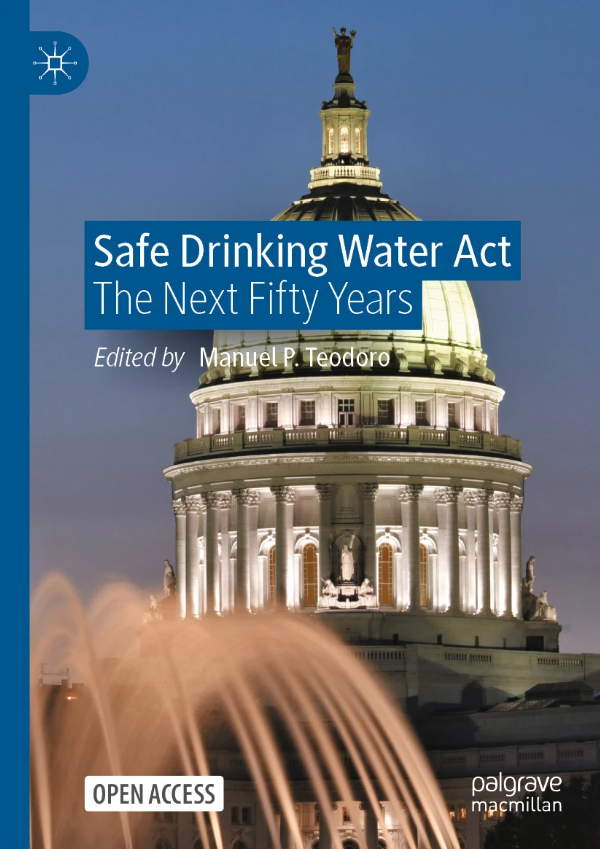
Initial research presented that day evolved into chapters in a new book. Safe Drinking Water Act: The Next Fifty Years occupies a unique place in the water policy literature. The book is meant not just to enliven academic debate but also to inspire action. In keeping with this vision, the volume’s authors include both drinking water scholars and water sector professional leaders. The volume required authors to work outside their comfort zones: scholars who typically trade in theory and empirical analysis and professionals whose work demands attention to immediate matters were asked to contemplate public policy at a national scope and multi-generational timeline. Authors were also asked to formulate concrete, actionable recommendations that follow from their research.
They rose to the occasion. The result is a book chock-full of rigorous research and bold, clear-eyed vision. It’s an uncommon blend of empiricism, pragmatism, and imagination. The book culminates in the Madison Declaration: the Water & Health Advisory Council’s vision statement and call to action for the next half century of drinking water in the United States.
I’m grateful for the book’s contributors. Safe Drinking Water Act: The Next Fifty Years exists—and has the potential to matter—thanks to the authors’ insight, rigor, and care. Editing this volume has only deepened my appreciation for each of them:
I’ll have more to say about each of these authors’ chapters in the months ahead.
Above all, Safe Drinking Water Act: The Next Fifty Years seeks to spark serious and thoughtful conversation about the future. To that end, the Water & Health Advisory Council has made the book available Open Access: anyone can download the full book in PDF format. If old-school hard copy is your jam, you can order the book for $59.99—or $47.99 with the discount code PALAUT.
I’m unlikely to be around for SDWA’s 100th anniversary. But I hope America’s water leaders in 2074 look at this volume with curiosity, appreciation, and—just maybe—admiration.